Written & Published by Chef Rayven Smith
Date: 10/1/2025

How To “Vegan-ize” Any Recipe
Written & Published by Chef Rayven Smith
A person who is vegan refrains from using or consuming any animal products or by-products. This can include avoiding meat, poultry, seafood, dairy, eggs, and honey in their diet, as well as non-food products like leather or wool. Many individuals are choosing to go vegan today, sometimes because of health reasons, allergies, or simply personal preference. But being vegan doesn’t mean you have to completely stop eating the dishes and desserts you enjoy. In this article I will explain vegan substitutes for eggs, butter, milk / cream, and other ingredients that you may find in your favorite recipes.



Eggs
Eggs are usually the main ingredient in recipes that need moisture and / or binding. One alternative you can use is ¼ cup or 4 tablespoons of applesauce in substitution of 1 egg. This is because its pectin content acts as a binder, holding ingredients together while also maintaining that moisture level. This substitute is typically used for baked goods like cakes, brownies, and cookie bars. Since applesauce can tend to make a dish denser you can consider adding an extra 1/2 teaspoon of baking powder for a lighter texture.
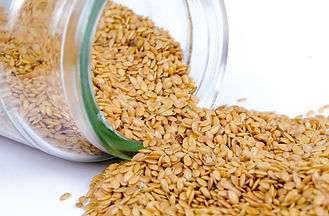
Another egg alternative you can use is a ground flaxseed mixture. Flaxseed is rich in nutrients and omega-3s which help reduce inflammation, lower blood pressure, and improve cholesterol levels. The mixture is 1 tablespoon of ground flaxseed + 3 tablespoons of water, which is the equivalent of 1 egg. When you mix flaxseed with water, over time (after about 5 - 15 minutes) the flaxseed will absorb the water and become a gelatinous texture similar to egg whites, providing structure. This option isn’t great for dishes that heavily rely on eggs because it’s not as strong as a real protein egg and leaves specs of flaxseed in appearance, but it’s great for cookies, muffins, pancakes, waffles, quick breads, and brownies.
For the dishes that need the protein and structure that eggs have, you can use Silken Tofu. Silken tofu is a good egg substitute because its smooth, creamy texture provides moisture, binds ingredients, and contributes to richness. Like applesauce, ¼ cup of Silken Tofu equals 1 egg. This substitution is good for recipes like quiches, cakes, and chocolate mousses, custards, and creamy rich dip/sauces.
Butter
Butter in dishes and desserts can be used for a multitude of reasons. Butter usually adds flavor, richness, and also provides structure and lightness. Oils like olive and coconut oil work as substitutes because they provide fat and moisture in dishes. Vegan butters also work very well as a replacement. They are typically made with these same oils, but they are in a solidified state which helps batters like cookies and icings that will benefit from the extra structure. Both alternatives can be used as a 1:1 substitute.

Milk / Cream / Buttermilk

Milk is a versatile ingredient used in both baking and savory cooking to add moisture, softness, and nutritional value. Some vegan alternatives to milk usually come from nuts like almond milk and cashew milk. People with nut allergies or intolerance can also use coconut milk, rice milk, soy milk, oat milk (my favorite), and even potato milk. These milk alternatives can usually be used as a 1:1 substitution.
Cream is the high-fat layer skimmed from the top of milk. Unlike milk, its high fat content makes it resistant to curdling at high temperatures. Cream adds decadent richness and a smooth texture to dishes. An alternative for dairy cream is full-fat coconut cream. Its high fat content and thick, rich consistency makes this great for whipping and creating a luxurious, creamy texture. Although it’s a great substitution, the flavor of coconut will shine through in your dish, so be mindful when using it as a replacement. If you want a more neutral tasting alternative, you can use soy milk and a neutral-oil blend (canola / vegetable / olive). The fat from the oil provides the richness, while the soy milk offers a neutral-taste and by balancing the fat and liquid content, it can replicate the texture and flavor of dairy cream. The mixture for 1 cup of cream is ¾ cup of soy milk and ¼ cup of oil / vegan margarine. Although its substitute isn’t great for whipping, it is great for soups and sauces.
Buttermilk is known for its signature tangy flavor and high acidity, which lends a delicate, tender texture to baked goods and acts as a potent tenderizer for meats. To make a vegan buttermilk you can take your favorite plant-based milk and add an acid, like lemon juice or white vinegar, then let it sit for 5-10 minutes until it thickens and curdles. 1 cup of buttermilk is equal to 1 cup of plant-based milk + 2 tablespoons of Lemon Juice / White Vinegar. Soy milk is recommended because its high protein content helps with the curdling process, but you can use any plant based milk.
These are just a few different ways to turn your favorite recipe into one that’s vegan-friendly while still being just as delicious and satisfying. What’s most important to remember is that going vegan doesn’t mean giving up comfort foods or traditions. It's about finding creative swaps that fit your lifestyle and values. With options like flax eggs, coconut cream, or oat milk, you can reimagine almost any recipe in a way that feels nourishing and true to you.
Vegan cooking is all about experimenting, tasting, and adjusting until it works for your kitchen. So don’t be afraid to play around, some of the best recipes come from curiosity. Whether you’re fully vegan, plant-forward, or just trying new things, these substitutions can help you bring more variety, health, and joy to your meals. Next time you’re in the kitchen, try swapping one ingredient and see what happens!

Written & Published by Chef Rayven Smith
Chef, Baker, Farmer, and Food Entrepreneur based in Maryland.